📞  — free, 24/7
— free, 24/7 — free, 24/7| Package | Price per Dose | Price | |
|---|---|---|---|
| 180 pills | £1.19 | £214.77 Free shipping | |
| 120 pills | £1.35 | £161.85 Free shipping | |
| 90 pills | £1.48 | £133.84 | |
| 60 pills | £1.43 | £86.11 | |
| 30 pills | £1.73 | £51.87 | |
| 180 pills | £1.43 | £257.31 Free shipping | |
| 120 pills | £1.47 | £176.38 Free shipping | |
| 90 pills | £1.53 | £136.95 | |
| 60 pills | £1.59 | £95.45 | |
| 30 pills | £1.90 | £57.06 | |
| 180 pills | £1.90 | £341.35 Free shipping | |
| 120 pills | £2.00 | £240.71 Free shipping | |
| 90 pills | £2.10 | £188.83 Free shipping | |
| 60 pills | £2.15 | £128.65 | |
| 30 pills | £2.52 | £75.73 | |
| 180 pills | £2.42 | £434.73 Free shipping | |
| 120 pills | £2.52 | £302.96 Free shipping | |
| 90 pills | £2.63 | £236.56 Free shipping | |
| 60 pills | £2.85 | £171.19 Free shipping | |
| 30 pills | £3.19 | £95.45 |
Disclaimer: This information is for general guidance and should not replace professional medical advice. Always consult a healthcare professional or the patient leaflet for personalised guidance.
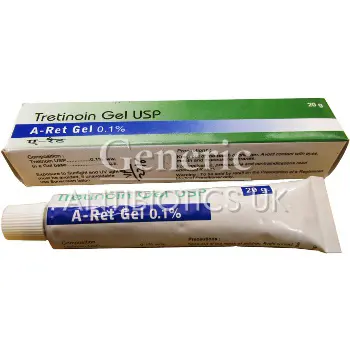
Tretiva is a brand name for the medicine tretinoin, a type of retinoid that is applied to the skin. It is used to treat certain skin conditions and to help improve the texture and appearance of the skin. In the United Kingdom, tretiva may require a prescription depending on local rules and the specific product strength or formulation.
Topical tretinoin works by helping skin cells turn over more rapidly. This can help prevent plugged pores and reduce the buildup that leads to acne. It may also help to lessen some signs of sun damage and improve the overall smoothness of the skin when used under supervision.
This medicine should be used exactly as directed by a clinician. Your use may be adjusted based on how your skin responds, and it might be stopped or paused if irritation occurs. If you have any concerns about whether tretiva is right for you, speak with a pharmacist or doctor.
Because tretiva can make skin more sensitive to sunlight, you should use a broad-spectrum sunscreen daily and protect your skin from strong sun exposure while using this medicine. If you notice any signs of an allergic reaction or severe irritation, seek medical advice promptly.
Tretiva is most commonly prescribed for acne vulgaris, including whiteheads, blackheads, and inflamed pimples. It helps to improve blocked pores and can reduce the formation of new lesions when used consistently over time.
In addition to acne, tretiva may be used to improve the texture and tone of sun-damaged or aged-looking skin. It can help with fine lines and rough patches, though results vary and not all people will see the same improvements.
It is not a quick-fix treatment. Visible improvements often take several weeks to months, and treatment plans are tailored to individual skin type and condition. If you are unsure whether tretiva is appropriate for you, talk to a healthcare professional for guidance.
Because regulations vary by country, the exact indications and approved uses for tretiva can differ. Always follow the advice given in your official product leaflet and by your clinician. If you develop new symptoms or if your skin becomes very irritated, contact a healthcare professional.
Tretinoin belongs to a class of medicines called retinoids. When applied to the skin, it binds to retinoid receptors in skin cells and influences how these cells grow, shed, and respond to inflammation.
By promoting normal skin cell turnover, tretiva can help prevent clogged pores that lead to acne. It also helps to reduce roughness and can improve the appearance of sun-damaged skin over time, though it may take several weeks to show noticeable effects.
The exact mechanism behind all of tretiva’s effects is complex and varies between individuals. Your clinician will tailor use to your skin’s response and may adjust strength or frequency as needed to balance benefit with tolerability.
In some people, retinoids can cause initial irritation as the skin adjusts. This is a common part of starting therapy and can often be managed with proper skin care and guidance from a clinician. Contact a health professional if irritation is severe or persistent.
Follow the prescription and the patient information leaflet that comes with your medicine. Use tretiva exactly as directed by your clinician. Do not change the amount or frequency unless advised.
Before applying tretiva, wash your hands and clean the skin gently with a mild cleanser. Wait until the skin is completely dry before applying a thin layer to affected areas only. Avoid applying to the eyes, lips, nostrils, or the inside of the mouth.
Start with a small amount and apply only to the areas affected by your condition. If your clinician allows, you may gradually increase application if your skin tolerates it. Do not apply a second layer in the same treatment, and avoid applying other strong active skincare products at the same time unless your clinician has advised otherwise.
After applying tretiva, wash your hands again. If advised by your clinician, you may moisturise after the product has dried. Do not cover treated skin with bandages or tight dressings unless instructed. If you experience significant irritation, redness, or peeling, contact a healthcare professional for guidance on whether to continue, adjust, or pause treatment.
Tretiva is not suitable for everyone. Do not use tretiva if you have an allergy to tretinoin or any of the ingredients listed in the product leaflet. If you have a history of severe skin reactions to retinoids, discuss this with your clinician before starting treatment.
The medicine is not typically recommended for use in areas of skin that are sunburned, injured, or inflamed. If you have eczema or very sensitive skin in the treatment area, your clinician may advise alternatives or a modified approach to therapy.
Pregnant or breastfeeding individuals should seek personalised medical advice before using tretiva. The safety of tretiva during pregnancy is not established, and your clinician will weigh potential benefits against possible risks. If you are planning to become pregnant, discuss timing and risk with a healthcare professional.
In some cases, the use of tretiva may be restricted or adjusted for younger people, older adults, or individuals with certain skin conditions. Always follow your clinician’s instructions and report any concerns promptly.
Before starting tretiva, tell your clinician about any other medicines you use on your skin, including over-the-counter products and skin lightening creams. Some products can increase irritation or interact with tretiva if used together.
A common precaution is that tretiva can increase sensitivity to sunlight. Use a broad-spectrum sunscreen with a high SPF and limit sun exposure while using this medicine. Protective clothing and hats can also help reduce sun damage while your skin adjusts.
Avoid waxing, dermabrasion, or aggressive facial treatments on treated areas unless advised by your clinician. These procedures can increase irritation or slow healing during tretiva therapy. If you have recently undergone a facial procedure, discuss timing with your healthcare professional.
If you have a severe skin reaction, pain, swelling, blistering, or signs of an allergic reaction (such as swelling of the face or tongue, difficulty breathing), seek urgent medical help. Contact your clinician if new symptoms develop or if you have concerns about safety during treatment.
Most people experience some irritation at the treatment site during the first weeks of use. This can include redness, peeling, dryness, or a warm or stinging sensation. These effects often lessen with continued use as the skin adjusts.
Less commonly, you may notice increased sensitivity to sunlight, itchiness, or a temporary worsening of acne during the first weeks. If these symptoms are bothersome or persistent, talk to your clinician about adjusting strength or frequency of application.
Severe skin irritation, blistering, swelling, or a severe allergic reaction are uncommon but require medical attention. If you develop trouble breathing or a facial swelling, seek urgent care.
General advice for side effects includes using a gentle cleanser, avoiding harsh scrubs, and applying a non-irritating moisturiser if advised by your clinician. Do not apply other strong topical products unless your clinician has approved them, as this can increase irritation.
Topical tretiva can interact with other skin products. Using products that are very drying or contain strong acids may increase irritation. If you use products such as benzoyl peroxide or alpha hydroxy acids, discuss timing and sequencing with your clinician, as some combinations can reduce effectiveness or increase irritation.
Oral medicines generally do not interact with topical tretinoin, but your clinician should be informed about all medicines you take. In case of any concerns or if you notice unusual skin reactions after starting another medicine, seek medical advice promptly.
Do not apply tretiva at the same time as other acne medications unless your clinician has advised a specific routine. If you are unsure about potential interactions with your current skincare regimen, ask a pharmacist or doctor for guidance.
Always inform your pharmacist or clinician about any allergies or prior reactions to retinoids or similar medicines. This helps to reduce the risk of unexpected reactions during treatment.
Tretiva use during pregnancy may carry risks. If you are pregnant, planning a pregnancy, or breastfeeding, you should discuss this with your clinician before starting or continuing treatment. Your doctor can discuss the potential benefits and risks and may suggest alternative options.
If you are breastfeeding and consider using tretiva on areas that may come into contact with a baby or infant, seek professional guidance about safe application areas and timing. Do not apply on or near the breasts while nursing unless advised otherwise by a healthcare professional.
In all cases, do not use tretiva without consent from a clinician if pregnancy is possible. The safety profile in pregnancy is a priority consideration when determining whether to begin or continue treatment.
If you suspect you became pregnant while using tretiva, contact your clinician promptly for advice on whether to continue treatment or pause until it is safe to resume, based on your specific situation and product instructions.
Tretiva information commonly includes questions about how long it takes to work, what to do if a dose is missed, how it interacts with other skincare products, and when to seek medical advice. If you have questions not covered here, please consult a healthcare professional or pharmacist.
To help you find practical answers quickly, the following Q&As cover common concerns, usage, safety, and planning around treatment. Always follow the advice given by your clinician and the product leaflet for your specific product.
Remember that results can vary between individuals, and consistent use as prescribed is often important for achieving the best outcome. If you have any concerns about effectiveness or side effects, speak with a healthcare professional.
Use this information as a general guide and not as a substitute for personalised medical advice. For any urgent concerns about skin conditions or reactions, contact a clinician promptly.
Most people begin to notice gradual improvements over several weeks to months, with continued changes as skin cells turnover. The pace can depend on the area being treated and the severity of the condition. If there is no improvement after a few months, consult your clinician for advice.
If you miss a scheduled application, resume as soon as you remember and continue with your regular routine. Do not double the next dose to makeup for a missed one. If you frequently forget doses, discuss strategies with your clinician.
It is important to discuss combining treatments with your clinician. Some products can increase irritation or interact with tretiva. Your clinician may schedule separate times of day for different products or suggest alternatives to reduce irritation.
Makeup can generally be used after tretiva has fully dried, but very heavy or oily products may increase irritation. Use non-irritating, non-comedogenic makeup and apply it gently. If you notice irritation, you may need to adjust your makeup use or discuss changes with your clinician.
Store tretiva at room temperature, away from direct heat and moisture. Keep it in its original packaging unless your clinician provides other instructions. Keep it out of reach of children and pets.
Yes, tretiva can increase sensitivity to sunlight. Use a broad-spectrum sunscreen daily, even on cloudy days, and wear protective clothing when outdoors. Avoid tanning beds while using this medicine.
Contact a clinician if you experience severe redness, swelling, blistering, or signs of a serious skin reaction. If you suspect an allergic reaction (such as swelling of the face, lips, tongue, or throat), seek urgent medical help. If you have any new or worsening symptoms, seek professional advice promptly.
Skin in younger people can respond differently, and dosing or frequency may be adjusted by a clinician. If you are treating a young person, ensure that a clinician supervises the course of therapy and adheres to recommended guidelines.
No. Tretiva is not considered addictive or habit-forming. It is a topical medicine that is used under medical supervision, and stopping it does not typically cause withdrawal effects.
Very sensitive skin may react more to tretiva. Your clinician may start with a lower strength, apply less frequently, or suggest a delay in treatment to help the skin adapt. Always report persistent irritation or discomfort so adjustments can be made safely.
The information provided here is general in nature and intended for patient guidance. It reflects common clinical practice and typical patient education points. For the exact product directions, always refer to the patient information leaflet that accompanies your medicine and consult your healthcare professional for advice tailored to you.
If you have questions about your specific product, symptoms, or suitability of tretiva for your condition, speak with a pharmacist or doctor. They can review your medical history, other medicines you take, and any skin conditions to help ensure safe use.
Always use medicines as directed and report any adverse effects to your clinician. For up-to-date, product-specific information, rely on the official leaflets and guidance provided at the point of care. This page is intended to support, not replace, professional medical advice.
14–21 days. Free from £149.51 .
5–9 days. £22.43
−10% when paying with cryptocurrency.
−10% on all repeat orders.
All orders are packed in neutral, unbranded boxes with no product name on the outside.