📞  — free, 24/7
— free, 24/7 — free, 24/7Medications and topical products for parasitic infections of the skin, scalp and digestive tract. Includes oral tablets and single‑dose regimens, topical creams and shampoos for lice, scabies and other external parasites, plus agents for intestinal worms and protozoal infections. Some require a prescription.
Medications and topical products for parasitic infections of the skin, scalp and digestive tract. Includes oral tablets and single‑dose regimens, topical creams and shampoos for lice, scabies and other external parasites, plus agents for intestinal worms and protozoal infections. Some require a prescription.
Antiparasitic medicines are drugs used to treat infections caused by parasites, including both microscopic organisms and larger worm-like species. These products target organisms that live in or on the human body and can cause a range of symptoms depending on the type and site of infection. The category covers agents active against protozoa (single-celled parasites), helminths (intestinal and tissue worms), and some medicines used for external infestations such as lice or scabies. Because parasites differ widely in biology and life cycle, the medicines grouped here work by different mechanisms and are selected based on the specific organism involved.
Common use cases include treatment of intestinal worm infections such as roundworm, hookworm, pinworm and tapeworm, infections of tissues or organs by larval stages of parasites, and protozoal infections that affect the gastrointestinal tract or other body sites. Some antiparasitic agents are used for single-dose therapy against specific worms, while others are prescribed as multi-day courses for protozoal diseases. A subset of these medicines is also used to manage infestations of the skin or hair, although topical products used for external parasites may be found in related categories rather than with systemic antiparasitics.
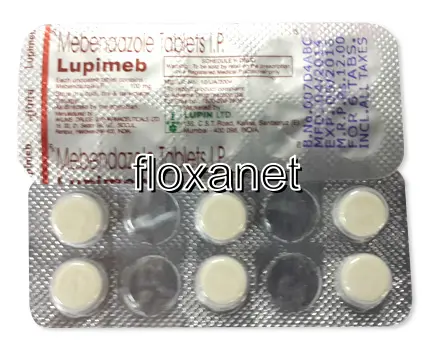
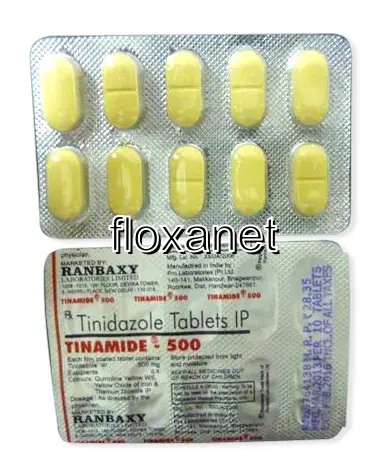
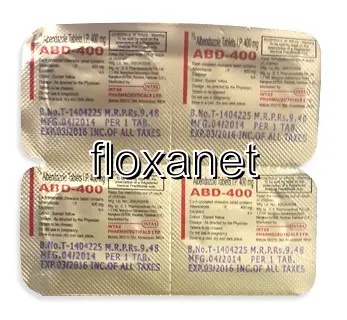
The medicines in this category represent several different drug classes. Benzimidazoles, such as albendazole and mebendazole, interfere with energy metabolism of many intestinal worms and are frequently used for common helminth infections. Macrocyclic lactones, exemplified by ivermectin, target a range of nematodes and some ectoparasites. Praziquantel is used mainly against tapeworms and flukes, and nitroimidazole compounds such as tinidazole are active against certain protozoal infections. These are examples of typical agents you may see listed under antiparasitics; products differ by spectrum of activity, formulation and recommended duration of therapy.
Formulations in this category include oral tablets and suspensions, and in related subcategories topical creams or lotions for external parasites. Administration schedules vary: some drugs are designed as single-dose treatments, others require repeated dosing over several days. Because antiparasitic medicines can have systemic effects, product information commonly describes precautions relevant to liver function, possible interactions with other medications, and considerations for use in special populations such as pregnant people or young children. Regulatory status also varies by country, with many systemic antiparasitics available only with a prescription.
Safety profiles and potential side effects differ across agents. Common, generally mild adverse effects reported for various antiparasitics include gastrointestinal upset, headache, dizziness and transient skin reactions; rarer but more serious reactions are possible with some products. Warnings and contraindications are provided in the patient information supplied with each medicine, including guidance on allergic reactions and known drug interactions. Packaging and professional literature outline monitoring or follow-up that may be appropriate for particular drugs or patient circumstances.
When people search for antiparasitic medicines they commonly look for the specific parasite being treated, whether a product is oral or topical, how long a course lasts, and whether a prescription is required. Other common considerations are the known side effect profile, compatibility with other medications, and suitability for children, pregnancy or underlying health conditions. Accurate diagnosis and identification of the parasite are important factors that determine which agent is appropriate, and product details typically describe the spectrum of activity to help match treatment to the infection being addressed.