📞  — free, 24/7
— free, 24/7 — free, 24/7Products for muscle growth, strength and recovery, including protein powders, amino acids, creatine, pre-workout formulas, post-workout recovery supplements, mass gainers, joint support and performance aids. Intended to support training and nutritional needs.
Products for muscle growth, strength and recovery, including protein powders, amino acids, creatine, pre-workout formulas, post-workout recovery supplements, mass gainers, joint support and performance aids. Intended to support training and nutritional needs.
The "Bodybuilding" category covers a range of pharmaceutical products that are commonly associated with muscle development, body composition management, and hormonal optimization. These items differ from over-the-counter dietary supplements in that many are prescription-only medicines developed for specific medical conditions and later adopted by some athletes and bodybuilders to influence muscle mass, strength, recovery, or hormone levels. This category is intended to group medicinal compounds that affect endocrine function, protein synthesis, or related physiological processes rather than vitamins, minerals, or herbal supplements.
People who explore this category typically seek agents that affect testosterone, estrogen, or other hormones because those pathways play a central role in muscle growth and recovery. Uses described in lay sources include attempts to increase lean body mass, improve training recovery, reduce unwanted estrogenic effects, or restore testosterone levels after medical treatments. It is also common to find medications used to manage side effects or to stimulate the body’s own hormone production as part of a broader regimen. These are pharmacological interventions rather than routine nutritional strategies.
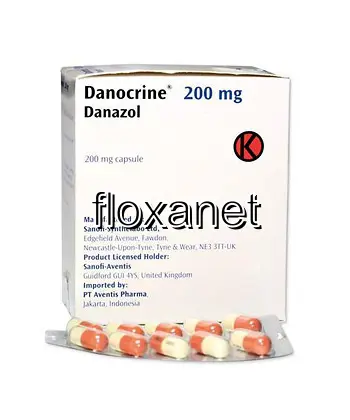
Medications represented here fall into a few broad classes. Topical testosterone preparations such as AndroGel deliver exogenous testosterone through the skin. Selective estrogen receptor modulators (SERMs) like Nolvadex (tamoxifen), Clomid (clomiphene) and Serophene are included for their ability to influence estrogen receptors and, in some contexts, promote endogenous testosterone production. Aromatase inhibitors such as Arimidex (anastrozole) and formulations like Armotraz reduce the conversion of androgens to estrogens. Androgenic or anabolic agents and related hormones such as Danocrine (danazol) and products like Androxal may also appear in this grouping for their effects on androgenic pathways. These medications are available in different formulations — topical gels, oral tablets, and injectable products — and each type has distinct pharmacological properties.
Safety, legal status, and quality considerations are central when dealing with this category. Many of these medicines can cause hormonal shifts and carry risks that may affect cardiovascular health, liver function, mood, fertility, and other systems; side effect profiles vary by compound and route of administration. Regulatory frameworks differ between countries: some products require a prescription, others may be restricted or controlled substances, and importation or possession can be subject to law. Product purity and correct labeling are important because counterfeit or substandard medicines may increase risk. Clinical monitoring and laboratory testing are often used in medical practice to track hormone levels and detect adverse effects when these drugs are prescribed for legitimate health conditions.
When comparing options within this category, consumers commonly consider the active ingredient and how it acts on hormone pathways, the formulation and route of administration (for example, topical gel versus oral tablet), the expected duration of effect, and the known safety and side effect profile. Regulatory approval status, manufacturing quality, and the presence of verified product information are also frequent factors. People also look for clear descriptions of indications, contraindications, and known interactions so they can better understand intended uses and potential risks associated with a specific product.
Product listings in this category frequently include detailed descriptions of the active substance, dosage form, common indications used in medical contexts, and summaries of common adverse effects. For general consumers browsing these items, comparing pharmaceutical class, mechanism of action, formulation, and documented safety information helps build a factual picture of what each medicine is intended to do and what trade-offs may exist. This supports informed decision-making about product selection within the constraints of applicable laws and medical oversight.