📞  — free, 24/7
— free, 24/7 — free, 24/7Medications and products for managing gout and flare-ups, including acute pain relief, anti-inflammatory drugs, urate-lowering therapies (e.g., allopurinol, febuxostat), colchicine, topical remedies, and supportive items for symptom control and prevention.
Medications and products for managing gout and flare-ups, including acute pain relief, anti-inflammatory drugs, urate-lowering therapies (e.g., allopurinol, febuxostat), colchicine, topical remedies, and supportive items for symptom control and prevention.
Gout is an inflammatory condition caused by the buildup of uric acid crystals in joints and surrounding tissues, most often affecting the big toe, ankles, knees and other peripheral joints. People experiencing gout typically report sudden, intense pain, swelling and redness at the affected site. Because the condition can present as intermittent attacks as well as a long-term tendency toward higher blood uric acid levels, the medicines associated with this category are aimed at both treating acute symptoms and modifying the underlying process that leads to crystal formation.
Medications in this area are commonly used in two complementary ways: to relieve the pain and inflammation of an acute gout attack, and to lower or control uric acid levels over time to reduce the frequency and severity of future attacks. During an acute flare, the priority is rapid reduction of swelling and pain so the person can return to normal activity. For long-term management, the goal is to maintain uric acid at a lower level to prevent crystal accumulation and progressive joint damage.
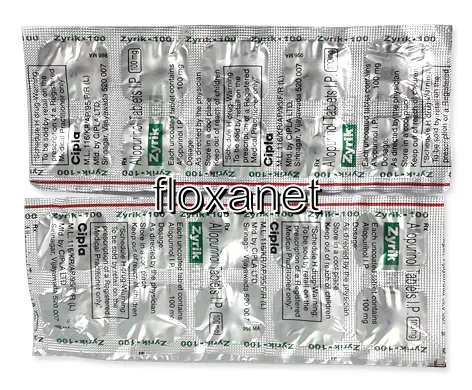
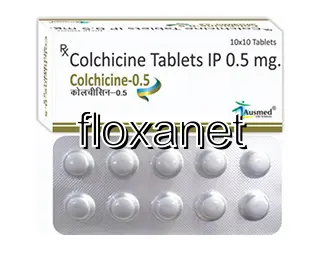
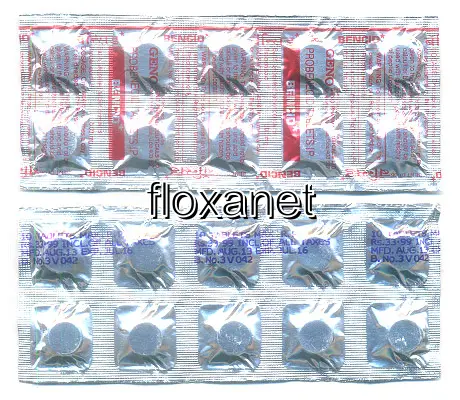
Different types of medicines play distinct roles. Anti-inflammatory drugs such as certain nonsteroidal agents or short courses of corticosteroids are often used for immediate symptom relief, while colchicine is a long-established option that targets the inflammatory response to crystal deposits. For longer-term uric acid control, xanthine oxidase inhibitors such as allopurinol — often known by names like zyloprim — reduce the production of uric acid. Uricosuric agents, represented by medicines like probenecid (sometimes seen under brand names such as benemid), help the kidneys remove excess uric acid. These approaches may be used alone or in combination depending on individual circumstances and medical judgment.
How these medicines are used in practice varies with the clinical situation. Short courses aimed at acute relief are usually given to manage a current flare, while urate-lowering therapies are typically started with the understanding that benefits accrue over weeks to months rather than immediately. Some agents are taken regularly to maintain target uric acid levels and may require periodic laboratory tests to assess kidney and liver function or to monitor uric acid itself. Dose adjustments or alternative options may be considered when other medical conditions or concomitant medications are present.
Safety considerations are an important part of choosing a gout medicine. Common side effects can include gastrointestinal upset with some treatments, increased sensitivity or allergic reactions with others, and the potential for interactions with medications used for other conditions. Some urate-lowering therapies may require monitoring for effects on liver enzymes or renal function, and caution is sometimes advised in people with certain pre-existing health issues. Product labeling and professional resources provide detailed safety information that is relevant to each specific medicine.
When people evaluate options in this category they often focus on how quickly a medicine works, how well it prevents future attacks, its side-effect profile, and whether regular monitoring is needed. Additional considerations include the route and frequency of administration, known interactions with other drugs they may be taking, and any contraindications related to existing health problems. Clear information about how a medicine is generally used, what to expect in terms of benefits and risks, and when follow-up testing is typical helps consumers make informed choices alongside clinical guidance.