📞  — free, 24/7
— free, 24/7 — free, 24/7Medicines and relief options for migraine: acute treatments such as analgesics and NSAIDs, prescription triptans and gepants, anti‑nausea medications, preventive therapies (beta‑blockers, anticonvulsants, CGRP agents), plus supportive remedies and devices for symptom relief.
Medicines and relief options for migraine: acute treatments such as analgesics and NSAIDs, prescription triptans and gepants, anti‑nausea medications, preventive therapies (beta‑blockers, anticonvulsants, CGRP agents), plus supportive remedies and devices for symptom relief.
Migraine is a neurological condition characterized by recurrent headache attacks that often come with sensitivity to light, sound or nausea. The "Migraine" category focuses on medications used to relieve acute attacks and on medicines intended to reduce the frequency or severity of those attacks over time. Items in this category are chosen for their established roles in managing different migraine patterns, from occasional moderate headaches to chronic, disabling migraine.
Medications are commonly divided by purpose: acute treatments aim to stop or shorten an ongoing migraine attack, while preventive treatments are taken regularly to lower how often attacks occur or how severe they are. Acute options are used at the onset of symptoms to limit intensity and duration. Preventive options are considered when headaches are frequent, prolonged, or do not respond adequately to acute therapies, or when side effects of frequent acute use are a concern.
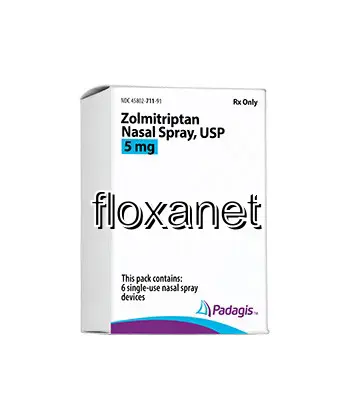
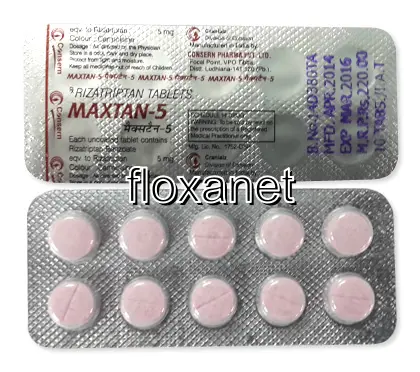
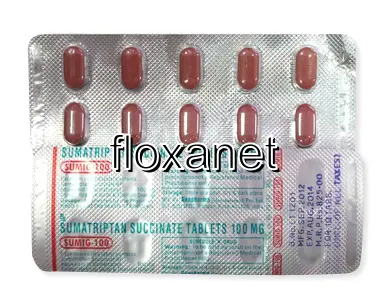
The range of medicines in this category includes over-the-counter analgesics and a number of prescription drug classes. Simple analgesics such as acetaminophen (paracetamol), aspirin, ibuprofen and naproxen are commonly used for milder attacks. Prescription-specific acute therapies include triptans (for example sumatriptan, rizatriptan, zolmitriptan, eletriptan), ergots and derivatives such as dihydroergotamine, newer small-molecule agents called gepants (rimegepant, ubrogepant) and the selective serotonin 1F agonist lasmiditan. Antiemetics like metoclopramide and prochlorperazine are often used alongside pain medications to address nausea.
Preventive medicines represented in this category include several drug classes that are taken on a scheduled basis. Beta-blockers such as propranolol and metoprolol, certain antiepileptic drugs like topiramate and valproate/divalproex sodium, and tricyclic antidepressants such as amitriptyline are commonly prescribed for prevention. Newer biologic options that target the calcitonin gene-related peptide (CGRP) pathway are available as monoclonal antibodies (for example erenumab, fremanezumab, galcanezumab, eptinezumab). Botulinum toxin injections are an established preventive option for chronic migraine in selected patients.
Medications vary by route and onset: many are oral tablets, while some triptans and antiemetics are available as nasal sprays, subcutaneous injections, or suppositories to help when nausea or vomiting limits oral intake. Onset of relief can range from under an hour for injectable or nasal formulations to several hours for oral tablets. Some newer agents are formulated to offer rapid onset with fewer systemic effects, and others are designed for intermittent use or regular preventive dosing.
Safety profiles and practical considerations differ across classes. Certain drugs have specific contraindications and known interactions, and side effects may include drowsiness, dizziness, gastrointestinal upset or cardiovascular effects depending on the medication. Tolerance, the risk of medication-overuse headache with frequent acute use, and individual factors such as coexisting medical conditions influence selection. Common consumer priorities when choosing a product include how quickly it works, duration of relief, likelihood of side effects, ease of use (oral versus injectable or nasal), and whether the medicine is intended for occasional acute use or regular preventive treatment.