📞  — free, 24/7
— free, 24/7 — free, 24/7Products for urinary tract care and comfort: UTI symptom relief, cranberry and probiotic supplements for urinary support, bladder pain and burning treatments, incontinence pads and protective underwear, urinary antiseptics, and home test strips for monitoring function.
Products for urinary tract care and comfort: UTI symptom relief, cranberry and probiotic supplements for urinary support, bladder pain and burning treatments, incontinence pads and protective underwear, urinary antiseptics, and home test strips for monitoring function.
Medications in the Urinary Health category address a range of conditions affecting bladder function and urine flow. They are used to manage symptoms such as sudden urges to urinate, frequent urination, leaking or accidental loss of urine, difficulty starting or maintaining a steady urinary stream, and spasms of the bladder muscle. The focus is on improving daily comfort and quality of life by reducing troublesome symptoms rather than treating unrelated illnesses.
Common reasons people seek medicines from this category include overactive bladder with urgency and urge incontinence, benign prostatic enlargement in men that can slow or block urine flow, and bladder spasms that cause discomfort. Some products are aimed at reducing bladder muscle contractions to limit urgency episodes, while others relax smooth muscle in the prostate and bladder neck to improve emptying. A range of symptom patterns and underlying causes means different medicines are appropriate for different situations.
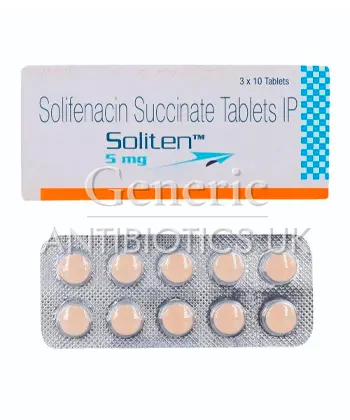
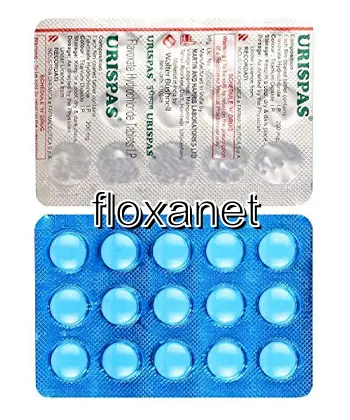
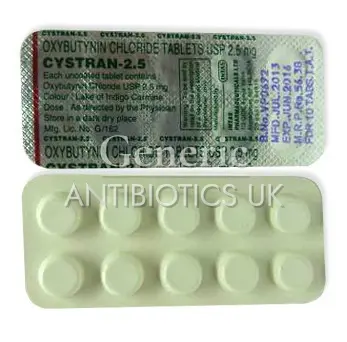
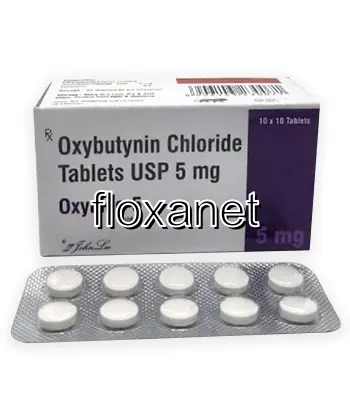
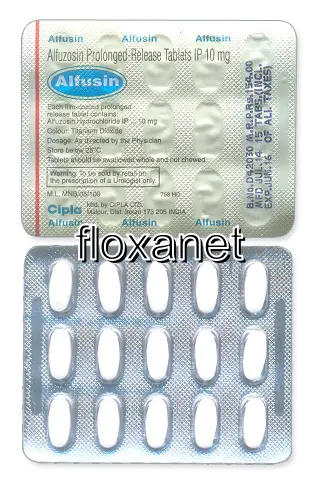
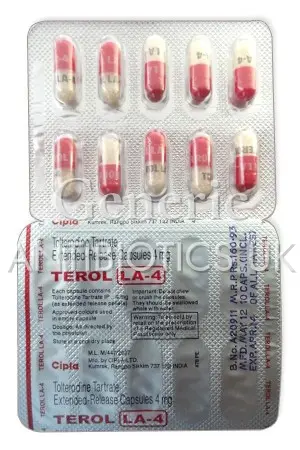
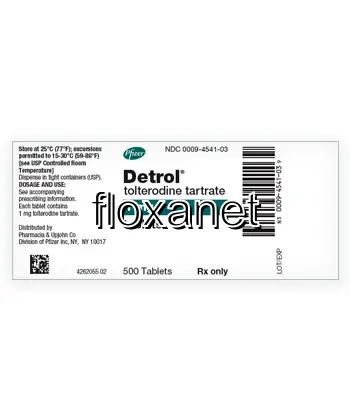
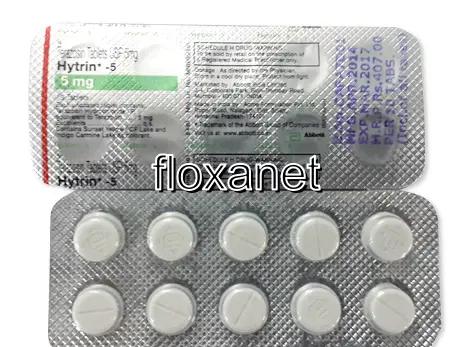
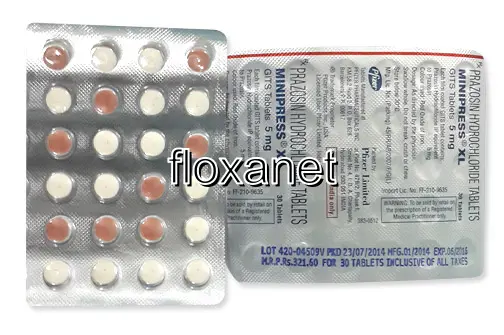
Several different types of medications appear under Urinary Health, and they work in distinct ways. Antimuscarinic agents such as oxybutynin (Ditropan), tolterodine (Detrol and Detrol LA) and solifenacin (Vesicare) reduce involuntary bladder contractions and are commonly used for overactive bladder. Alpha‑adrenergic blockers like tamsulosin (Flomax), alfuzosin (Uroxatral), terazosin (Hytrin) and prazosin (Minipress) act on muscles in the prostate and bladder neck to ease urine flow in men with prostate enlargement. Other options include transdermal formulations such as oxybutynin patches (Oxytrol) and antispasmodics like Urispas that target bladder cramping.
These medicines are available in several formulations that affect how they are used. Immediate‑release tablets typically require more frequent dosing, while extended‑release or long‑acting versions (for example, Detrol LA) are designed for once‑daily administration to maintain steadier blood levels. Patches offer an alternative route for continuous delivery without swallowing a daily pill, and some treatments are available in formulations intended for short‑term or intermittent use. Availability of prescription versus over‑the‑counter options varies by product and region.
Like all drug classes, urinary medications have potential side effects and interactions that are important to be aware of. Antimuscarinic agents commonly cause dry mouth, constipation, blurred vision and sometimes cognitive effects, while alpha blockers can cause dizziness or drops in blood pressure. Bladder relaxants and antispasmodics may affect people differently depending on age, other health conditions and concurrent medications. Product labels and official prescribing information describe common adverse effects and contraindications associated with individual medicines.
When choosing a urinary health medicine, people often weigh the specific symptoms they want addressed, how quickly relief is needed, dosing convenience and the side‑effect profile. For example, someone prioritizing a once‑daily option might compare extended‑release products such as Detrol LA, while another person preferring a non‑oral route may consider a patch like Oxytrol. Men with urinary obstruction commonly see alpha‑blockers such as Flomax or Uroxatral discussed for improving flow, and those seeking reduced bladder overactivity may encounter Ditropan or Vesicare among typical choices. Prescription status, formulation, and individual tolerability are usual factors in decision-making.