📞  — free, 24/7
— free, 24/7 — free, 24/7Medications and supplies for diagnosing and managing thyroid disorders, including levothyroxine and antithyroid agents, hormone replacement and suppression therapies, thyroid function test kits, supplements, dosing tools and monitoring aids for hypothyroidism and hyperthyroidism care.
Medications and supplies for diagnosing and managing thyroid disorders, including levothyroxine and antithyroid agents, hormone replacement and suppression therapies, thyroid function test kits, supplements, dosing tools and monitoring aids for hypothyroidism and hyperthyroidism care.
The Thyroid category covers medicines that affect the production, availability and action of thyroid hormones in the body. These medicines are designed either to replace hormones when the thyroid is underactive or to reduce hormone production or effects when the gland is overactive. Products in this group work on the endocrine system and are part of long‑term management for a range of thyroid conditions, from lifelong hormone replacement after thyroid removal to temporary treatments during changes in thyroid function.
One of the most common reasons people encounter thyroid medicines is hypothyroidism, a condition in which the thyroid does not make enough hormone to meet the body’s needs. Replacement therapy restores circulating hormone levels to help regulate metabolism, energy, and many physiological processes. Conversely, treatment approaches for an overactive thyroid focus on reducing hormone synthesis or blocking peripheral effects, and some medications are used to control symptoms while more definitive treatments are arranged.
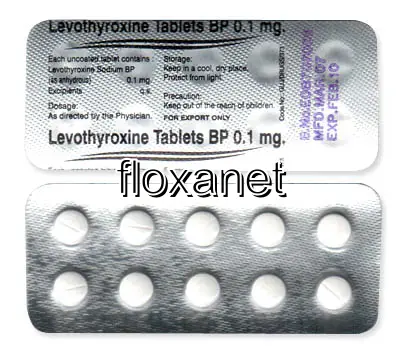
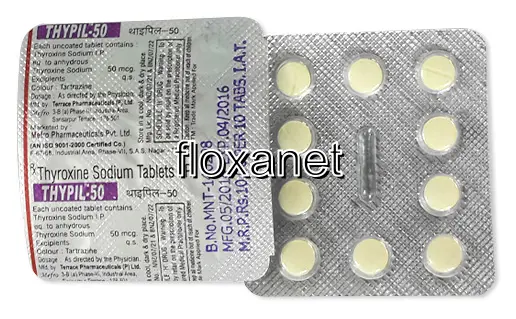
Medications in this category can be grouped by how they act. Synthetic levothyroxine (a T4 hormone) is the most widely used replacement therapy, while synthetic liothyronine (a T3 hormone) is employed in certain situations. Some products combine T4 and T3 or are derived from desiccated thyroid preparations. For hyperthyroidism, antithyroid agents and medications that mitigate symptoms are part of the broader therapeutic toolbox. Well‑known examples encountered by consumers include levothyroxine preparations such as Synthroid and Levothroid, and liothyronine preparations such as Cytomel, noting that these names are representative of typical formulations rather than an exhaustive list.
Safety considerations for thyroid medicines are distinct because small changes in dose can have noticeable effects. Laboratory monitoring of thyroid function tests and periodic clinical assessment are standard elements of care to ensure hormone levels are in the intended range and to adjust treatment over time. Interactions with other medications, dietary factors and certain health conditions can change how these drugs are absorbed or metabolized. Some patients require different approaches during pregnancy, after surgery, or when other illnesses are present, which affects choice and dosing.
When people shop for thyroid medicines they often look at formulation and dosage flexibility, such as availability in multiple strengths or in liquid forms for specific needs. Brand name versus generic options, tablet size and ease of swallowing, and whether a product is a single hormone or a combination are common considerations. Prescription requirements, availability of different strengths for fine tuning, and the need for monitoring and follow‑up are also factors that shape selection and ongoing use.
Information about a particular thyroid product typically includes its active hormone type, usual monitoring parameters and descriptions of formulations, while guidance on appropriate therapy is provided by healthcare professionals based on test results and clinical circumstances. For those managing thyroid conditions, familiarity with the different classes of medicines and how they are used helps to set expectations about monitoring frequency, potential effects and the reasons why one product may be chosen over another in everyday clinical practice.