📞  — free, 24/7
— free, 24/7 — free, 24/7| Package | Price per Dose | Price | |
|---|---|---|---|
| 120 pills | £3.49 | £465.31 £418.78 Free shipping | |
| 88 pills | £3.72 | £362.94 £326.65 Free shipping | |
| 60 pills | £3.75 | £250.10 £225.09 Free shipping | |
| 36 pills | £3.86 | £154.71 £139.24 | |
| 24 pills | £4.05 | £108.18 £97.36 | |
| 12 pills | £4.89 | £65.13 £58.62 | |
| 120 pills | £5.93 | £789.87 £710.88 Free shipping | |
| 88 pills | £6.00 | £586.29 £527.66 Free shipping | |
| 60 pills | £6.41 | £426.92 £384.23 Free shipping | |
| 36 pills | £6.81 | £272.20 £244.98 Free shipping | |
| 24 pills | £7.19 | £191.93 £172.74 Free shipping | |
| 12 pills | £7.59 | £101.20 £91.08 | |
| 60 pills | £6.47 | £431.57 £388.42 Free shipping | |
| 36 pills | £6.72 | £268.71 £241.84 Free shipping | |
| 24 pills | £7.67 | £204.73 £184.26 Free shipping | |
| 12 pills | £8.11 | £108.18 £97.36 |
Disclaimer: This information is for adults in the United Kingdom using Avana as prescribed. It is not a substitute for professional medical advice. Always read the official patient leaflet and discuss any questions with your doctor or pharmacist.
Avana is a medicine that may be prescribed in the United Kingdom for specific health conditions. The need for a prescription depends on local rules and the exact product you receive. Your pharmacist will confirm how Avana is supplied in your case.
The medicine is supplied by a registered pharmacy and should be used exactly as directed by your clinician. Do not share your medicine with others, even if their symptoms seem similar. If you have questions about why Avana was prescribed, ask your prescriber or pharmacist for clarification.
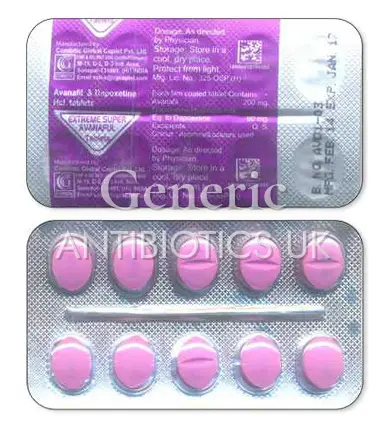
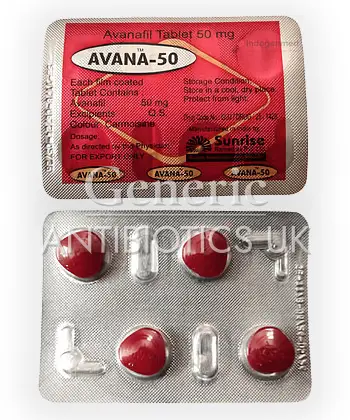
Avana comes in a form chosen by the prescriber, most commonly as tablets. The exact strength and form will be stated on your packaging and the patient information leaflet. If you notice any changes in the product packaging, tell your pharmacist.
Keep Avana in its original packaging until you are ready to take it. Store it at room temperature away from light and moisture, and keep it out of reach of children. Do not use Avana after its expiry date, which is printed on the carton and blister packs.
This information is intended as a general guide. The exact details may differ by product and by your health needs. If anything here differs from the leaflet you received, follow the leaflet or ask your doctor or pharmacist for clarification.
Avana is used under medical supervision to treat conditions for which it has been prescribed. The specific indication—why the medicine is being used—will be stated by your clinician. It is not intended for use by people who have not been advised to take it.
The medicine may be prescribed to help improve symptoms, function, or disease control relevant to your condition. Your prescriber will decide the appropriate use based on your medical history and current health status. If your symptoms do not improve or worsen, tell your clinician promptly.
Avana is not a general remedy for all symptoms. It should be used only for the condition for which it was prescribed, and only for as long as your clinician recommends. Do not extend the treatment beyond the period advised without consulting your doctor.
Some patients may use Avana in combination with other therapies. Your prescriber will consider potential interactions and adjust the plan as needed. If you have questions about how Avana fits into your overall treatment, discuss this with your healthcare professional.
If you are unsure whether Avana is appropriate for you, or if your condition changes, seek guidance from your doctor or pharmacist. They can review your medical history and advise on alternatives if needed.
Avana works by acting on the body's natural processes in a way that has been described by the product’s official guidance. It may influence certain physiological pathways to help manage symptoms or improve function related to your condition. The exact mechanism will depend on the active ingredient and formulation you receive.
In most cases, the medicine is used within a broader treatment plan that includes lifestyle measures or other therapies. Your clinician may adjust your plan over time based on how well Avana is helping you and any side effects you notice. Always follow the plan given by your prescriber.
Because Avana is a prescription medicine in many settings, its use and dose are tailored to you. Do not assume the effect will be the same as someone else, even if they have the same condition. If you have questions about how Avana works for you, ask your pharmacist or clinician for an explanation in plain terms.
Adverse reactions or interactions can change how the medicine works. If you notice any unexpected changes in your symptoms after starting Avana, contact your clinician for advice. Do not stop the medication unless advised by a health professional.
This section provides a general sense of how Avana functions. For precise information about how your specific product works, refer to the patient leaflet or talk to your healthcare professional.
Use Avana exactly as prescribed by your doctor or pharmacist. Do not change the dose or stop taking it without professional guidance. If you are unsure about how to take Avana, ask your pharmacist for clear instructions.
Take Avana with a full glass of water. You can take it with or without food unless your clinician has advised otherwise. Do not chew, crush, or break tablets unless the packaging specifically instructs you to do so.
Place and swallow the tablet whole as directed by your prescriber. If you have trouble swallowing, discuss alternative forms or methods with your pharmacist. Do not attempt to split tablets unless this is stated as safe on the patient information leaflet.
Missed doses: If you miss a dose, take it as soon as you remember, unless it is almost time for your next dose. Do not double the next dose to make up for a missed one. If you are unsure what to do, contact your healthcare professional for guidance.
Storage and handling: Store Avana in a cool, dry place away from excess heat and moisture. Keep it out of reach of children and away from pets. Do not use products that are damaged or have changed colour or texture. Check the leaflet for any special storage instructions specific to your product.
Do not use Avana if you know you have an allergy to the active ingredient or any ingredient in the product. Tell your clinician if you have had allergic reactions to medicines before. Allergic reactions can be serious and require immediate medical attention.
People with certain medical conditions should discuss Avana with a clinician before starting. This includes significant heart, liver, or kidney problems, low blood pressure, or eye or vision conditions. Your prescriber will assess whether Avana is appropriate for you in light of these conditions.
Avana may interact with other medicines. If you are taking nitrates, certain blood pressure medicines, or other therapies for specific conditions, you should discuss this with your clinician. Do not start new medicines or herbal supplements without checking with your pharmacist or doctor first.
Pregnancy and breastfeeding: Availability and safety can vary. If you are pregnant, planning a pregnancy, or breastfeeding, consult your healthcare professional to weigh benefits and risks. They can advise whether Avana is suitable for you at that time.
If you have any of the following symptoms or concerns, contact your clinician for personalised advice before continuing: persistent dizziness, fainting, chest discomfort, or worsening shortness of breath. Your safety should come first, and adjustments to therapy can be made if needed.
Before starting Avana, tell your clinician about all medicines you are taking, including over-the-counter drugs, vitamins, and herbal products. Some combinations may cause unwanted effects or reduce the benefit of Avana.
Avoid alcohol while taking Avana if advised by your clinician. Alcohol can increase certain side effects such as dizziness or lightheadedness and may affect how well the medicine works for you.
Common precautions include monitoring for vision or hearing changes, sudden severe headaches, or chest pains. If you notice any of these, seek urgent medical help as advised by your health professional and contact them promptly.
Avana may interact with foods that contain grapefruit or other citrus juices in some products. If your clinician has given you dietary guidance, follow it closely for best results. If you are unsure, ask your pharmacist.
Always store Avana as instructed on the label and leaflet. Do not use if the packaging is damaged or if the product has passed its expiry date. If you have any doubts about the safety of continuing treatment, consult your pharmacist or doctor.
Like all medicines, Avana can cause side effects in some people. Most are mild and temporary, but some may require medical attention. Reported effects often depend on the individual and the dose used.
If you experience any side effects that concern you, or if symptoms persist or worsen, contact your healthcare professional for advice. Do not stop taking Avana abruptly without guidance from your clinician.
In some cases, side effects may lessen as your body adjusts to the medicine. Your clinician may adjust the dose or try an alternative treatment if needed. Always follow professional advice before making changes.
Remember to read the information leaflet provided with your product, as it will list side effects specific to the version of Avana you received. If you notice anything unusual, report it to your pharmacist or doctor.
Information about drug interactions is important for safety. Some medicines can interact with Avana and may increase the risk of adverse effects or reduce effectiveness. Always tell your doctor about all medicines you take.
If you start or stop any other medication, inform your clinician promptly. Do not start any new treatment without discussing it with a healthcare professional, especially if you are taking Avana.
In case of doubt about a potential interaction, refer to the patient information leaflet or consult your pharmacist. They can provide guidance tailored to your health situation.
The safety of Avana during pregnancy and breastfeeding depends on the specific product and your health circumstances. In many cases, treatment decisions during pregnancy are made only when clearly needed. Discuss your plans with a clinician before starting or continuing Avana if you are pregnant or breastfeeding.
If you are pregnant or might become pregnant, talk to your doctor about whether you should continue Avana. If you become pregnant while taking Avana, contact your healthcare professional for advice about whether to continue treatment.
Breastfeeding considerations depend on the active ingredient and formulation. Your clinician can advise whether it is appropriate to continue during breastfeeding or whether an alternative is preferred.
Do not rely on general guidance alone for these decisions. The risk-benefit balance must be evaluated by a health professional who knows your medical history. If you have questions, ask your clinician or pharmacist for patient-specific information.
As always, consult the official leaflet for pregnancy or lactation-specific safety information for the particular Avana product you are using. If in doubt, seek professional guidance before making changes.
Many people notice improvement after starting therapy, but timing can vary. Some individuals may feel effects within hours, while others may require several days or weeks. Your clinician will set expectations based on your condition and treatment plan.
If you do not feel better after a reasonable period, contact your doctor. They may adjust the dose or explore alternatives. Do not change the treatment on your own while you are waiting for a professional review.
If you miss a dose, take it as soon as you remember, unless it is near your next scheduled dose. Do not double the dose to catch up. If you are unsure what to do, ask your pharmacist or doctor for guidance.
In some regimens, a missed dose may not require any action other than resuming the regular schedule. Follow the instructions given with your Avana product or by your clinician.
Alcohol can interact with Avana and may increase side effects such as dizziness or fainting in some people. If you are unsure about drinking alcohol while on Avana, discuss this with your clinician.
Avana can be taken with or without food unless your healthcare provider has advised otherwise. If you notice that meals affect how you feel after taking Avana, tell your clinician so they can adjust guidance accordingly.
Always tell your doctor about all medicines you take, including non-prescription medicines and herbal supplements. Some combinations can change how Avana works or raise the chance of side effects.
Your clinician will check for interactions before continuing therapy. If you start a new medicine while taking Avana, inform your pharmacist and doctor promptly.
Do not stop Avana without talking to your clinician. Some conditions require ongoing treatment to maintain benefit. If you decide to discontinue, your clinician can outline a safe plan to reduce exposure and monitor your progress.
If your symptoms improve, your doctor may reassess the need for continued therapy and adjust the plan accordingly. Do not make changes based on one day’s experience without professional advice.
Common side effects are often mild and may include headaches, dizziness, flushing, or stomach upset. These usually improve with time as your body adjusts to the medicine.
If side effects persist or trouble you, contact your pharmacist or doctor for guidance. They can determine whether a dose adjustment or a different treatment is more suitable for you.
Seek urgent medical help if you notice signs of a severe allergic reaction or other serious symptoms, such as chest pain, fainting, or trouble breathing. Do not wait to see if the symptoms go away on their own.
When in doubt about the severity of a reaction, contact a clinician or pharmacist for advice. They can advise on next steps and whether to continue therapy.
Store Avana in its original packaging, protected from light and moisture. Keep it at room temperature and out of reach of children and pets. Do not use if the packaging is damaged or the expiry date has passed.
Check the leaflet for any product-specific storage instructions, as some formulations may have slightly different requirements. If you have any questions about storage, ask your pharmacist.
Avana is not expected to be habit-forming for most patients when used as prescribed. However, any medicine carried for long periods can lead to psychological dependence in rare cases. Do not alter your treatment to seek a “stronger” effect without medical supervision.
If you notice cravings or other concerns about dependence, discuss them with your clinician. They can help assess the situation and consider alternative options if appropriate.
Contact your doctor or pharmacist if you have side effects that concern you, if symptoms do not improve, or if you have questions about how Avana interacts with other medicines. You should also seek advice if you plan to start new therapies or change your current regimen.
For urgent or unusual symptoms, seek prompt medical guidance. Do not delay seeking help for potentially serious issues related to Avana or its use.
In most cases, Avana can be taken with or without food as directed. Your clinician may provide guidance if there are specific foods to avoid or limit. If you notice a difference in how you feel after meals, discuss this with your healthcare professional.
Keep notes of any foods or beverages you think affect your treatment and share them with your clinician in future appointments. They can use this information to tailor your plan.
The information in this page reflects general best practices for patient information and does not replace the official patient leaflet for your Avana product. Always follow the specific instructions provided with your medicine and consult your pharmacist for product-specific details.
For additional information, speak with your doctor or pharmacist. They can provide guidance based on your medical history and current therapy. If you need, you can request a copy of the official patient information leaflet from the pharmacy where you obtained Avana.
Trusted sources for medication information include accredited health services and pharmacovigilance resources used by UK clinicians. If you have any doubts about the accuracy of the information here, verify with your healthcare professional or the product leaflet.
When reviewing educational materials, prioritise documents issued by the manufacturer and official health authorities. Your clinician will direct you to the most appropriate resources for your situation.
14–21 days. Free from £150.86 .
5–9 days. £22.63
−10% when paying with cryptocurrency.
−10% on all repeat orders.
All orders are packed in neutral, unbranded boxes with no product name on the outside.