📞  — free, 24/7
— free, 24/7 — free, 24/7| Package | Price per Dose | Price | |
|---|---|---|---|
| 180 pills | £3.14 | £706.69 £565.36 Free shipping | |
| 120 pills | £3.19 | £478.98 £383.18 Free shipping | |
| 90 pills | £3.25 | £365.12 £292.10 Free shipping | |
| 60 pills | £3.30 | £247.33 £197.87 Free shipping | |
| 30 pills | £3.46 | £129.55 £103.64 | |
| 180 pills | £4.19 | £942.26 £753.81 Free shipping | |
| 120 pills | £4.24 | £636.02 £508.82 Free shipping | |
| 90 pills | £4.29 | £482.90 £386.32 Free shipping | |
| 60 pills | £4.34 | £325.86 £260.69 Free shipping | |
| 30 pills | £4.40 | £164.89 £131.91 |
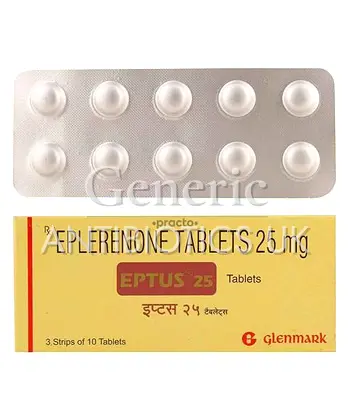
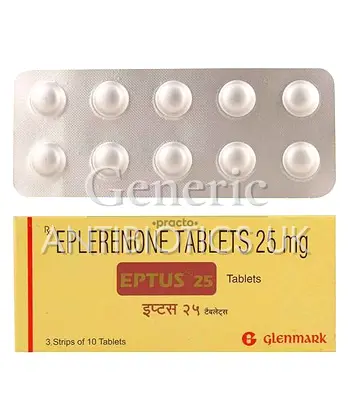
High blood pressure or swelling from heart failure can make you feel tired, short of breath, or notice your ankles and feet puffing up. Eplerenone is a prescription medicine that blocks a hormone called aldosterone. By blocking this hormone, it helps your body shed salt and water and reduces strain on your heart. It is used to treat high blood pressure and certain kinds of heart failure, and it may be prescribed for other aldosterone-related conditions.
Eplerenone is a selective aldosterone receptor blocker. It comes as tablets for oral use. Take exactly as your doctor tells you, usually once daily or twice daily. Your doctor will check your kidney function and electrolyte levels while you take it.
Primary use is for high blood pressure and for heart failure with reduced ejection fraction. In hypertension, eplerenone lowers blood pressure by helping your kidneys remove salt and water. In heart failure, it reduces the risk of hospitalization and may help the heart pump more easily.
Secondary uses include conditions caused by too much aldosterone, called hyperaldosteronism. It helps correct the salt and water balance and can improve swelling. It may be used after a heart attack to lower the risk of death in certain patients with heart damage.
Eplerenone blocks aldosterone from binding to its receptors in the kidney and other tissues. This reduces salt and water retention. It also helps protect the heart and blood vessels from scarring and stiffening. The result is lower blood pressure and less strain on the heart. You may notice the benefits after a few weeks.
Common side effects include dizziness and higher potassium levels (hyperkalemia). You may also notice headache, stomach upset, or increased urination.
Avoid potassium-rich salt substitutes or supplements while taking this medicine. Tell your doctor if you have kidney disease, diabetes, or take other medicines that raise potassium, such as certain blood pressure drugs. Do not use in pregnancy. If you feel faint, have confusion, or chest palpitations, seek medical care promptly.
14–21 days. Free from £150.86 .
5–9 days. £22.63
−10% when paying with cryptocurrency.
−10% on all repeat orders.
All orders are packed in neutral, unbranded boxes with no product name on the outside.