📞  — free, 24/7
— free, 24/7 — free, 24/7| Package | Price per Dose | Price | |
|---|---|---|---|
| 120 pills | £2.59 | £389.08 £311.26 Free shipping | |
| 90 pills | £3.10 | £348.87 £279.10 Free shipping | |
| 60 pills | £3.22 | £241.22 £192.98 Free shipping | |
| 30 pills | £3.84 | £143.95 £115.16 |
Disclaimer: This information is for general understanding and is not a substitute for professional medical advice. Always read the official patient information leaflet and consult a pharmacist or doctor with any questions.
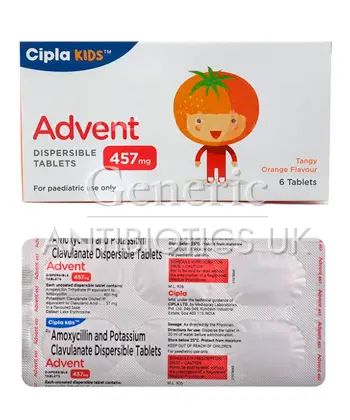
Advent DT is a medicine available in the United Kingdom that may require a prescription depending on local rules. The exact form and strength can vary, so it is important to read the packaging and patient information leaflet that comes with your product.
The active ingredient in Advent DT is intended to help with certain symptoms or conditions when advised by a clinician. It is not intended to diagnose a disease by itself or to replace medical care for serious problems.
In the UK, Advent DT is supplied by licensed providers and regulated for safety and quality. How you use Advent DT depends on the specific product variant you have, so always follow the directions on the label and any information from your pharmacist.
This page provides general information to help you understand Advent DT. If you have questions about whether it is right for you, talk to a pharmacist or your doctor. Do not rely on this page as the sole source of guidance.
Advent DT is used to relieve certain symptoms or manage a condition as advised by a clinician. The exact purpose depends on the formulation and the underlying health issue being treated.
Typical uses include relief of discomfort or common symptoms associated with minor illnesses, such as aches, fever, or inflammation, as appropriate for the product you have. Do not assume it will work for every symptom you experience.
Always check the patient information leaflet for the specific indications listed for your Advent DT product. Your clinician will determine whether Advent DT is appropriate for you based on your medical history and current medicines.
Never use Advent DT to treat a condition for which a diagnosis has not been made or without medical advice when symptoms persist or worsen. If you are unsure about the intended use, ask a pharmacist or clinician for guidance.
The active ingredient in Advent DT works by affecting certain signals in the body that are involved in pain, fever, or inflammation. The precise mechanism depends on the specific ingredient in your product.
By modulating these signals, Advent DT may help to reduce symptoms such as discomfort and stiffness, or to bring down a fever, depending on the formulation used.
The effect is not a cure for an underlying disease. Advent DT is a treatment aimed at symptom relief, and other medical care may be needed for a full diagnosis or ongoing management.
Individual responses vary. If you notice little or no improvement after a reasonable period, or if symptoms worsen, consult a healthcare professional for advice.
Read the label and any patient information leaflet before you start using Advent DT. Follow the instructions given by your doctor or pharmacist, and use the medicine exactly as directed.
Take Advent DT with a full glass of water unless the label says otherwise. Some formulations may be advised to be taken with food to reduce stomach upset; follow the specific guidance for your product.
Do not crush or chew tablets or capsules unless the packaging explicitly allows it. Swallow whole with water, unless a liquid form is provided and instructed otherwise.
Avoid taking more than the recommended amount or using Advent DT for a longer period than advised. If symptoms persist after finishing a course, or if they recur, seek medical advice for a reassessment.
If you miss a dose, take it as soon as you remember unless it is almost time for your next dose. Do not double up to make up for a missed dose. If you are unsure what to do, contact a pharmacist for guidance.
Be careful not to take Advent DT together with other medicines that contain the same active ingredient, to avoid double dosing. If you are taking other prescription or over‑the‑counter medicines, talk to a pharmacist before combining them with Advent DT.
Do not use Advent DT if you know you are allergic to the active ingredient or any ingredients in the product. An allergic reaction can be serious and may require urgent medical attention.
People with certain medical conditions should discuss Advent DT with a clinician before use. This includes a history of stomach ulcers or bleeding, kidney or liver problems, or any other chronic condition that could be affected by this medicine.
If you are pregnant, planning to become pregnant, or are breastfeeding, talk to your doctor or pharmacist before using Advent DT. Some formulations may not be suitable during pregnancy or while nursing.
If you are taking other medicines that can interact with Advent DT, your clinician may adjust your treatment or suggest an alternative. Always inform your pharmacist about all medicines you take, including herbal or dietary supplements, before starting Advent DT.
All medicines carry some risk of side effects or interactions. Advent DT may interact with other medicines or with alcohol, and it can affect certain people more than others.
If you notice signs of an allergic reaction, such as swelling of the face or throat, severe rash, or trouble breathing, seek urgent medical help immediately. Do not continue taking the medicine in such cases.
Some people may experience stomach upset, dizziness, or drowsiness while taking Advent DT. If these effects are troublesome or persistent, talk to a pharmacist or clinician about alternatives or adjustments to your treatment plan.
Always tell your clinician about all medicines you take, including non-prescription medicines and herbal products, to minimise the risk of interactions. Do not start new medicines without first checking with a healthcare professional.
If you experience any unusual or severe symptoms after taking Advent DT, contact a healthcare professional for advice. In an emergency, seek urgent medical help.
Advent DT can cause side effects in some people. The exact side effects depend on the active ingredient and the individual, and they may not occur in everyone.
Common effects that may occur include mild upset to the stomach, headache, or dizziness. These are usually temporary and may improve with time or with a dose adjustment.
Less common side effects can include changes in mood, sleep disturbance, or skin reactions. If you notice a rash, swelling, or trouble breathing, seek medical help promptly.
Very rarely, some people may have more serious reactions. If you develop signs of a severe allergic reaction or any other alarming symptoms, stop taking Advent DT and contact a clinician or seek urgent medical assistance.
Advent DT can interact with other medicines, herbal products, or supplements. Interactions can affect how Advent DT works or increase the risk of side effects.
Tell your pharmacist about all medicines you take, including medicines bought without a prescription, vitamins, and herbal products. This helps prevent potential interactions.
In some cases, you may be advised to avoid certain medicines while using Advent DT or to adjust how often you take them. Do not start or stop other treatments without medical advice.
Common categories of interactions include medicines that affect the same bodily systems (for example, those that influence stomach lining, blood clotting, or kidney function). Your clinician can review your medicines and provide guidance.
If you notice unusual symptoms after starting Advent DT when taking other medicines, contact a pharmacist or doctor for advice. Do not stop a medicine abruptly without guidance from a professional.
If you are pregnant or planning pregnancy, or if you are breastfeeding, consult a healthcare professional before using Advent DT. The safety of Advent DT in pregnancy or lactation depends on the specific product and your medical history.
Your clinician can help weigh the potential benefits and risks of treatment during pregnancy or while nursing. In many cases, alternatives may be available that are considered safer for use during pregnancy or breastfeeding.
Never start or stop Advent DT during pregnancy based on informal advice. Always obtain guidance from a clinician to ensure the best option for you and your baby.
If you become aware that you are pregnant while taking Advent DT, contact your doctor promptly to discuss the next steps and any needed monitoring.
Onset of action can vary between individuals and depends on the product form and the condition being treated. Some people notice relief within a short time, while others may need longer before improvements are felt. If there is no meaningful improvement after a reasonable period, seek medical advice.
The timeframe may also be influenced by whether Advent DT is taken with food or on an empty stomach, and by other medicines you may be using. If you are unsure about the timing, ask a pharmacist for guidance.
Do not expect immediate results for all symptoms. For persistent or worsening symptoms, consult a clinician to review your treatment plan.
If you have a rapid change in symptoms or severe side effects after taking Advent DT, seek medical help promptly.
If you miss a dose, take it as soon as you remember unless it is almost time for your next dose. Do not double up to catch up. If you are unsure what to do, contact a pharmacist for advice.
Do not take extra medicine to make up for a missed dose. If you frequently forget doses, set a reminder or discuss a plan with your doctor or pharmacist.
Keep a regular schedule if you are using Advent DT over several days, as consistency helps manage symptoms more reliably.
If you are unsure about missed-dose instructions for your specific product, check the patient information leaflet or ask a pharmacist.
Many medicines can be taken with Advent DT, but some combinations may not be advised. Check with a clinician or pharmacist if you regularly take other prescriptions, over‑the‑counter medicines, or herbal products.
A clinician can help determine whether a specific interaction could occur and whether a dose adjustment or alternative treatment is needed.
Do not start new medicines during Advent DT treatment without professional guidance. If you notice new symptoms after starting another medicine, talk to a pharmacist.
If you have a complex medication regimen or multiple conditions, a medication review with a healthcare professional can help ensure safety.
Advent DT suitability for children depends on the product formulation and the child’s age and weight. Some forms or strengths may be approved for paediatric use, while others are not.
Always follow the age and weight guidance on the packaging and in the leaflet. A clinician or pharmacist can help determine whether Advent DT is appropriate for a child or teenager.
Never give a medicine meant for adults to a child unless specifically instructed by a healthcare professional. If in doubt, seek advice before giving Advent DT to a young person.
If a child experiences concerning symptoms after taking Advent DT, contact a clinician for guidance promptly.
The safety of long-term use depends on the specific product and the condition being treated. Some situations require ongoing medical supervision and periodic review of your treatment plan.
Discuss with your clinician any plans for extended use and ask about monitoring for any potential risks or side effects.
Do not continue a treatment beyond the duration advised unless a clinician confirms it is appropriate for your situation. For ongoing symptoms, seek a professional assessment.
If you have any concerns about long-term use, speak to your pharmacist or doctor for tailored guidance.
Avoid or limit alcohol while using Advent DT, as alcohol can increase certain side effects or interact with the medicine. The risk depends on the formulation and your overall health.
Discuss your alcohol use with a clinician if you are unsure how it may affect Advent DT in your case.
When in doubt, err on the side of caution and avoid alcohol during treatment unless advised otherwise by your healthcare professional.
Store Advent DT at room temperature in a dry place away from heat and direct sunlight. Keep it in its original packaging unless advised otherwise by the leaflet.
Keep medicines out of reach of children and pets. Do not transfer them to other containers unless the packaging instruction allows it.
Check the expiry date on the packaging and do not use Advent DT after it has expired. If you are unsure how to store your product, ask a pharmacist for advice.
If you notice mild side effects, you may continue taking Advent DT if advised by your clinician, but tell your pharmacist if they persist or bother you. They can suggest alternatives or adjustments to your plan.
For any signs of a serious reaction, or if side effects are severe or worsening, seek medical help promptly. Do not ignore warning signs.
Keep a note of when the side effects started and any other medicines you were taking at the time, as this information can help your clinician assess the situation.
A clinician will consider your medical history, current conditions, and other medicines to determine suitability. Do not assume Advent DT is automatically the right choice for you.
If you have ongoing health problems, discuss your full medical history with a pharmacist or doctor before starting Advent DT.
Ask about alternative treatments if Advent DT is not appropriate—for example, a different medicine, lifestyle changes, or non-drug options that may help your symptoms.
Regular reviews with a healthcare professional can help ensure the treatment continues to meet your needs.
Whether Advent DT requires a prescription depends on local rules and the specific formulation. In the UK, some Advent DT products may be available over the counter, while others require a prescription.
Ask a pharmacist or your doctor if you are unsure whether your Advent DT product needs a prescription. They can provide guidance based on the exact product you have.
Do not assume that all Advent DT products are available without medical advice. Always check the packaging and leaflet for the correct information for your product.
Some Advent DT formulations are best taken with food to reduce stomach upset, while others may be taken with or without food. Follow the specific guidance on your product’s label.
If you experience stomach discomfort, taking the medicine with a meal or snack may help as advised by the leaflet or your clinician.
When in doubt, ask a pharmacist how to take Advent DT with respect to meals and timing for your particular product.
Always refer to the official patient information leaflet that accompanies Advent DT for exact indications, dosing, and precautions relevant to your product. This page provides general guidance and should not replace the formal product information.
In the United Kingdom, information about Advent DT is supported by regulatory and national guidance from the Medicines and Healthcare products Regulatory Agency (MHRA) and public health bodies. Your pharmacist can explain how local rules apply to you.
For additional guidance, you can discuss Advent DT with your GP, a hospital clinician, or a registered pharmacist. They can answer questions about suitability, safety, and how Advent DT fits your overall treatment plan.
If your symptoms persist, worsen, or you have concerns about drug interactions or side effects, seek medical advice promptly. Your healthcare professional can review your medicines and recommend next steps.
14–21 days. Free from £149.51 .
5–9 days. £22.43
−10% when paying with cryptocurrency.
−10% on all repeat orders.
All orders are packed in neutral, unbranded boxes with no product name on the outside.