📞  — free, 24/7
— free, 24/7 — free, 24/7| Package | Price per Dose | Price | |
|---|---|---|---|
| 360 pills | £0.73 | £307.60 £261.46 Free shipping | |
| 180 pills | £0.78 | £164.78 £140.06 | |
| 120 pills | £0.84 | £118.39 £100.63 | |
| 90 pills | £0.91 | £96.42 £81.96 | |
| 60 pills | £1.02 | £72.01 £61.21 | |
| 30 pills | £1.25 | £43.93 £37.34 | |
| 360 pills | £1.19 | £505.35 £429.55 Free shipping | |
| 180 pills | £1.29 | £272.20 £231.37 Free shipping | |
| 120 pills | £1.39 | £196.52 £167.04 Free shipping | |
| 90 pills | £1.49 | £158.68 £134.87 | |
| 60 pills | £1.64 | £115.95 £98.56 | |
| 30 pills | £2.04 | £72.01 £61.21 | |
| 180 pills | £1.83 | £386.94 £328.90 Free shipping | |
| 120 pills | £1.96 | £277.08 £235.52 Free shipping | |
| 90 pills | £2.14 | £225.81 £191.94 Free shipping | |
| 60 pills | £2.39 | £168.44 £143.17 | |
| 30 pills | £2.91 | £102.52 £87.15 | |
| 20 pills | £3.01 | £70.79 £60.17 | |
| 10 pills | £3.22 | £37.83 £32.15 |
Disclaimer: This information is for general guidance and does not replace professional medical advice. Always follow your doctor's instructions and the official patient leaflet for Atacand.
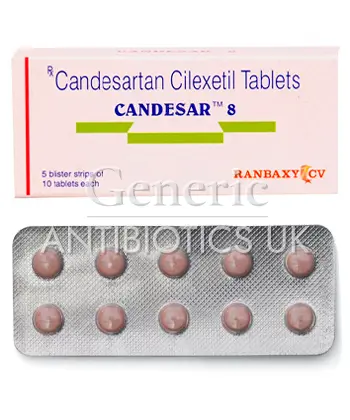
Atacand is the brand name for candesartan. It belongs to a group of medicines called angiotensin II receptor blockers (ARBs). It works by relaxing blood vessels to help lower blood pressure and ease the heart’s workload.
In the United Kingdom, Atacand may require a prescription depending on local rules. It should be used under the supervision of a healthcare professional and obtained from a licensed pharmacy with the appropriate guidance.
The medicine is taken by mouth as tablets. The strength you receive will be decided by your doctor based on your condition and response to treatment. Always follow the instructions on the label or from your clinician.
This page is intended to support patients with general information. It does not replace the official patient information leaflet or personalised medical advice.
Store Atacand as directed on the packaging. Do not share your medicine with others, even if their symptoms seem similar. If you have any questions about taking Atacand, speak with a pharmacist or doctor.
Atacand is used to treat high blood pressure (hypertension). Lowering blood pressure helps reduce the risk of stroke and heart-related problems.
In some people, candesartan is prescribed for heart failure to improve symptoms and may help reduce hospital visits when used with other medicines as part of a broader treatment plan.
It may also be used after a heart attack to protect heart function in certain patients, depending on the clinician’s assessment.
Your doctor will decide if Atacand is appropriate for you and how long you should take it. Treatment plans are tailored to individual needs and may change over time.
Atacand is usually used alongside other lifestyle measures and medications as part of a comprehensive cardiovascular care plan.
Candesartan blocks a natural chemical in the body called angiotensin II from binding to its receptors. This reduces the constriction of blood vessels, allowing them to widen.
Wider (more relaxed) blood vessels lower blood pressure and reduce the heart’s workload. This can improve blood flow and lessen symptoms in heart failure.
The effect on blood pressure may be gradual, and the full benefit may take several days to weeks. Your clinician will monitor your response and adjust treatment if needed.
Atacand helps to support cardiovascular health as part of a broader treatment plan, which may include lifestyle changes and other medications.
Your doctor will explain how Atacand fits into your overall care and what to expect during treatment.
Take Atacand exactly as prescribed by your doctor. Do not change your dose or frequency without advice from a healthcare professional.
Take the tablet with a full glass of water. You can take Atacand with or without food, as advised by your clinician.
If you forget a dose, take it as soon as you remember unless it is nearly time for your next dose. If you are unsure what to do, contact your pharmacist or doctor for guidance. Do not double up to make up for a forgotten dose.
Do not stop taking Atacand suddenly without talking to your doctor, even if you feel well. Some conditions may worsen if treatment is stopped abruptly.
Store Atacand at room temperature, away from moisture and heat. Keep it out of reach of children. If you have kidney or liver problems, tell your clinician, as this may affect how the medicine is used.
Do not take Atacand if you are allergic to candesartan or any other ingredient in the medicine. An allergic reaction could be serious and require urgent medical help.
Pregnant individuals should not take Atacand unless specifically advised by a clinician. If you are pregnant or planning pregnancy, discuss safer alternatives with your doctor.
If you have severe liver or kidney disease or a rare problem called hereditary angioedema, your doctor will consider these factors before prescribing Atacand.
If you are taking other medicines that lower blood pressure or raise potassium levels, your doctor may adjust your treatment. Always disclose all medicines you are taking to your healthcare provider.
Regular blood pressure checks and kidney function tests may be required while taking Atacand. Your clinician will advise how often these tests should be done for you.
Dizziness or fainting can occur, especially after the first dose or after dose changes. This is more likely if you are dehydrated or have low blood pressure to start with. Get up slowly from sitting or lying down to reduce the risk of dizziness.
Angioedema (swelling of the face, lips, tongue, or throat) is a potential but uncommon reaction with ARBs. Seek urgent medical help if you experience swelling that affects breathing or swallowing.
High potassium levels can occur with Atacand in some people. Tell your clinician if you notice muscle weakness, tingling, or abnormal heartbeats, and have regular blood tests as advised.
If you regularly take non-steroidal anti-inflammatory drugs (NSAIDs) like ibuprofen, or if you are dehydrated due to illness or a heavy exercise, your blood pressure-lowering effect may be reduced. Discuss NSAID use with your clinician if you rely on pain relief or anti-inflammatory medications.
If you have kidney problems or dehydration, your doctor may adjust the treatment plan. Do not assume that a change is not necessary, even if you feel well.
In case of planned surgery or anesthesia, inform the surgeon or anaesthetist that you are taking Atacand. Some medicines used during surgery can interact with ARBs.
Always report any unusual or severe symptoms to your doctor, especially if they persist or worry you. For any uncertain symptoms, contact a pharmacist or clinician for advice.
Like all medicines, Atacand can cause side effects in some people. Most are not serious and may improve with time or with adjustments to treatment.
Common effects include dizziness, headache, tiredness, or low blood pressure (which may cause lightheadedness). These often improve as your body adjusts to the medicine.
Some people may experience back pain, nausea, or a feeling of warmth or flushing. If these symptoms persist or worry you, speak with your pharmacist or doctor.
Serious but rare side effects include swelling of the face or throat (angioedema), severe allergic reactions, kidney function changes, or very high potassium levels. Seek urgent medical help if you notice swelling, trouble breathing, or other signs of a severe reaction.
Discuss any side effects you experience with your healthcare provider. They can advise whether to continue, adjust the dose, or switch to a different treatment if needed.
Atacand can interact with other medicines or substances, potentially affecting how well it works or increasing the chance of side effects. Always tell your doctor about all medicines you take, including over-the-counter drugs and supplements.
Medications that lower blood pressure, when used with Atacand, may contribute to additional blood pressure lowering effects. Your clinician may need to adjust dosages or monitor you more closely.
Potassium-sparing diuretics or potassium supplements can raise potassium levels in the blood. If you take these, your doctor may check your potassium levels with blood tests and adjust treatment as needed.
Non-steroidal anti-inflammatory drugs (NSAIDs) can reduce the blood pressure-lowering effect of Atacand and may affect kidney function in some people. If you need NSAIDs regularly, discuss this with your clinician.
Other medicines that affect the renin-angiotensin system or interact with ARBs should be discussed with your doctor before starting Atacand. Do not start or stop any medicine without medical advice.
Atacand may harm unborn baby if used during pregnancy. If you become pregnant while taking Atacand, tell your doctor immediately. The medication should be stopped as advised by your clinician unless there is a compelling reason to continue.
Discuss with your clinician about breastfeeding. They can advise whether Atacand is suitable for you if you are breastfeeding or planning to breastfeed, as this can depend on various factors including infant health and your treatment needs.
If you are planning a pregnancy or could become pregnant, talk with your doctor about safer alternatives and a plan for stopping Atacand if needed.
The information here does not replace personalised advice. If you have questions about pregnancy, contraception, or breastfeeding while taking Atacand, speak with your healthcare provider.
Below are common questions people have about Atacand. If your question is not answered here, ask a pharmacist or doctor for guidance. The answers are provided for general information and may not apply to everyone.
The time to notice improvements in blood pressure can vary. Some people feel a difference within days, while for others it may take a few weeks. Your clinician will monitor your response and adjust treatment if needed.
Take the missed dose as soon as you remember unless it is almost time for your next dose. If it is nearly time for the next dose, skip the missed one and continue with your regular schedule. Do not take a double dose to make up for a missed one. If you are unsure, contact a pharmacist or doctor for advice.
Alcohol can lower blood pressure and may increase dizziness. If you choose to drink, do so in moderation and discuss with your clinician if you have concerns about interactions with Atacand.
Yes, In some cases Atacand is used alongside other medications to control blood pressure. Your doctor will decide if this is appropriate for you and will monitor you for side effects or interactions.
Dizziness or lightheadedness, especially after the first dose or dose changes, can temporarily affect alertness. If you experience these symptoms, avoid driving or operating heavy machinery until you know how the medicine affects you.
Kidney function may influence how Atacand is used. Your clinician will monitor kidney function with blood tests and may adjust your treatment accordingly. Do not change or stop treatment without medical advice.
Atacand may be prescribed to children for certain conditions, but not all ages or indications are suitable. A clinician with experience in paediatric care will determine whether it is appropriate for a child.
Atacand may harm a developing baby if used in pregnancy. If you are pregnant or planning pregnancy, discuss alternatives with your clinician. For breastfeeding, seek advice to determine whether Atacand is appropriate for you and your baby.
Store Atacand at room temperature, away from moisture and heat. Keep it out of reach of children and confirm storage requirements on the packaging or leaflet. Do not use medicine past its expiry date.
If you experience adverse effects, contact your clinician or pharmacist. Seek urgent medical help for any signs of a serious reaction such as swelling of the face or throat, severe dizziness, or trouble breathing. Do not ignore persistent or worrisome symptoms.
Switching medicines should be done under medical supervision. Your clinician will determine whether a change is appropriate and will provide a plan for stopping the previous medicine safely and starting Atacand.
Your doctor may want to check your blood pressure, kidney function, and electrolyte levels from time to time. Regular tests help ensure Atacand is working well and that any risks are managed.
The information provided here is based on the official patient information for candesartan (Atacand) and general health guidance available in the UK. Always refer to the official leaflet that accompanies your medicine.
For questions about your treatment, ask your pharmacist or doctor. They can provide personalised advice based on your medical history and current medications.
Follow-up with your healthcare provider as advised to review your treatment plan and progress. If you require further information, contact a licensed medical professional for guidance.
14–21 days. Free from £149.51 .
5–9 days. £22.43
−10% when paying with cryptocurrency.
−10% on all repeat orders.
All orders are packed in neutral, unbranded boxes with no product name on the outside.